© Copyright 2005 - 2016 All Rights Reserved


KEEPING YOUR CAVY COOL IN SUMMER
Guinea pigs require a level of care especially in relation to heat management. Providing the correct environment in which to keep your guinea pig cool in summer is of
vital importance.
Guinea pigs can also be provided items in their cage which will ensure they are provided with the needs in which to maintain a moderate temperature and prevent
heat stroke.
What is the ideal temperature for my guinea pig?
Cavies should ideally be housed in an environment which is 18 - 22C.
According to the ANZCCART and The Institute of Medical and Veterinary Science Australia, the environmental
requirements of domesticated guinea pigs are similar to those of the common laboratory species. ''Sutherland and
Festing (1987) recommend the following conditions: Temperature 18-22C, 8-20 air changes/h, relative humidity 45-
70%, 12-16h light/day cycle. Group- housed guinea pigs provided with bedding withstand colder conditions, but
neonates have reduced survival at temperatures below 17C. Temperatures over 30C are not tolerated well,
particularly by pregnant sows.'' (The Institute of Medical and Veterinary Science Australia)
Thermometers are an excellent tool to keep near your cavies cage. This will enable you to ensure the temperature is
adequate for your guinea pigs health and well being.
Heat Management:
In Australia summer months can be particularly hot with temperatures often exceeding 30C.
To assist your guinea pigs in dealing with these high temperatures we have compiled a list of helpful methods below which you can use to ensure your guinea pig
does not overheat, and protect against fatal heat stroke.
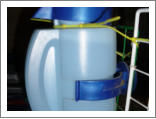
Water: The most important factor to remember in summer is to provide your cavy with plenty of cool fresh water! Always ensure water
bottles are filled, water is fresh and not warm, and supply extra water bottles if you have multiple guinea pigs. A large water bottle is also
best to ensure the water lasts the entire day especially if you will not be home to supervise your guinea pigs daily water requirements.
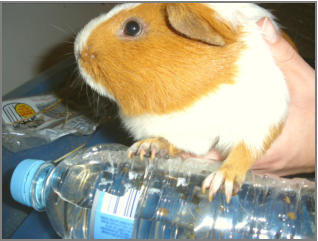
Ice packs/Bottles: These items are a fantastic way to cool down your guinea pigs cage area and also provide a cold place to sit if
temperatures rise. Water bottles and ice packs can be placed in the freezer overnight, hence ready for daily use.
Always ensure any frozen bottles or ice packs are wrapped in a tea towel or similar to ensure your guinea pig does not get too cold and to
protect the skin on their paw pads.
TIP: An easy way to warp a frozen water bottle is to slip on an old sock!
House your guinea pigs Indoors: Indoor housing offers a cool, protected and sheltered environment. It has the benefit of using electrical
appliances such as air conditioners and fans, water and ice are nearby, and cavies can be monitored closely in these extremes. For more
information on housing your guinea pig indoors see: Indoor Housing
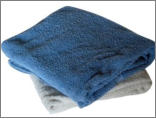
Damp cloths/Towels: Placing moist towels over the cage using pegs or binder clips can be used to create a shady cool area.
Frozen Ice Treats: Placing fruit or fruit juice that has been frozen in ice is a great way to keep your guinea pig cool. Not only does it taste
nice to your guinea pig, the cooling sensation of ingesting this summer treat will be helpful in cooling down your cavies internal
temperature.
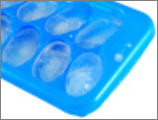
Method: Cut up fresh summer fruits such as watermelon, rock melon, apple, strawberries etc. and place in an ice tray with water. Freeze
overnight. Place in a heavy bowl that cannot be easily tipped over. Freshly squeezed juice can also be frozen in ice trays and given.
*Note: Please use these treats sparingly as fruits are high in sugar. Juices should only be fresh. Never give your guinea pig fruit juice which has preservatives, artificial
colours, flavours, extra sugar, sweeteners or added vitamins. Juice must be 100% natural and fresh.
Tiles/Bricks: Tiles and bricks are excellent items to place in your guinea pigs cage on a hot day. They naturally repel heat and often stay
cool for prolonged periods of time. Have you ever noticed your bathroom always tends to be much cooler than the rest of the house in
summer?
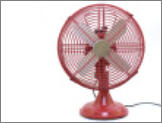
Fans/Air conditioners: If you house your cavy indoors electrical appliances can be used to help keep their environment at an adequate
and healthy temperature.
Please ensure when placing a fan or air conditioner near your guinea pigs cage that the air is not blowing directly at the cage but indirectly.
Direct air flow can cause drafts which may lead to URI (Upper Respiratory infections).
TIP: If you do not have an air conditioner for use, a bucket of ice or damp cloth draped over a fan can cause the air to become much cooler.
Please ensure if these appliances are being used all day that you invest in an electrical safety plug. Electrical safety plugs can help prevent fires from sparks flying
from electrical sockets and devices. They are a wonderful investment when using these appliances near your guinea pigs!
Ice cushions: Using a waterproof zip lock plastic bag or similar crush up some ice and fill up the bag. Place a towel over the top. Guinea
pigs love to lay on these “ice cushions” as it keeps their stomach nice and cool.
*Please make sure the ice cushion is thoroughly wrapped as guinea pigs may chew the plastic bag if accessible.
TIP: Using an old pencil case with a zipper is a great way to ensure your guinea pigs can’t access any plastic bags. Some cavies are very
smart and can find a way to get
the plastic bag underneath a towel or clothing. Placing all plastic bags with ice inside a pencil case with a zip will ensure your guinea pig cannot access these
hazardous materials.
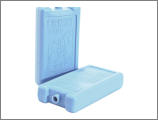
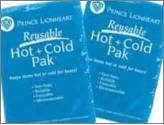
Gel Packs: Ice gel packs can be bought from Woolworths, Big W or other supermarket chain stores. The gel beads inside retain cold air
when frozen and can also be heated for use in winter. We recommend placing these gel pads in an old sock and then laying them on top of
your guinea pigs hidey house, pigloo or shelter. When the guinea pig enters the shelter it will be much cooler than the rest of the cage due
to the cold air from the ice pack seeping downwards inside the pigloo/hidey house. Ice packs and cold water bottles can also be used in a
similar method.
TIP: Some pigloos do not have adequate air circulation and can get quite hot. It is advised that more holes be drilled at the top of these pigloos or on the sides. The
plastic can be run under hot water to make drilling and cutting easier. Some owners will remove these pigloos altogether during the summer months and only use
during winter.
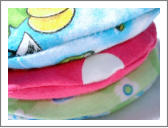
Hidey ice pads/cushions: Using an old pillow cage or some polar fleece you can make a hidey ice pad. Hidey ice pads are a great idea as
they create a cold floor in which your cavy can lay on whilst having the benefit of a secure shelter over head.
Ready made waterproof Hidey Ice Cushions will be available to sale in our online store at the end of February. Ice pack inserts will also be
available to help with the summer months. If you would like to be updated when they become available please sign up for our wheekly
newsletter for regular news and updates.
Heat Stroke
Even the most prepared cavy owner should be aware of the potentially and often fatal heat stroke and its treatment options. Heat stroke can strike quickly and
actions need to be taken immediately to ensure your guinea pig survives.
Always seek medical help from a competent exotics vet. If immediate medical assistance is not accessible the below tips will assist however your guinea pig may not
survive heat stroke. It is up to the owner to ensure medical assistance is sought.
Signs of heat stroke
Should your guinea pig exhibit the following signs in hot summer weather you must ensure you seek medical assistance! Do not wait! Your veterinarian will inject
fluids subcutaneously by hypodermic needle that will save your guinea pig life. Bathe and wrap your guinea pig in a towel following the below 2 steps and rush you
guinea pig to a vet immediately.
To help locate an exotics veterinarian please see our Recommended Vets page:
•
Drooling
•
Discolured gums
•
Panting
•
Rapid heart beat
•
Convulsions
•
Weakness in limbs
•
Lethargic/unable to move
First Aid treatments for Heat Stroke: CTFEM
C - Cool
T - Towel
F - Fluids
E - Energy
M- Monitor
C - Cool
At the first signs of Heat stroke is is vitally important to cool down your guinea pigs core temperature.
Place your guinea pig in a sink which is filled with Luke warm water. Test the water temperature by placing a few drops in your wrist. Make sure the water is not too
high. It should only be 3 -4 cm in height. Gently wet your guinea pig with the water and gradually cover their entire body. Bathe your cavy for approximately 10
minutes.
TIP: Do not immerse your guinea pig in cold water. This can lead to shock.
T - Towel
Wet a damp towel and place around you guinea pig body after bathing. This will ensure your guinea pigs temperature remains at a lower level and will also helps aid
in keeping your cavy cool. A fan slowing over your cavy will help continue to cool their body down.
F - Fluids
After your guinea pigs core temperature has cooled, it is vital they receive fluids in the form of a rehydration mix.
Examples of rehydration mixes include: Vitrate (medical supply via your vet), Gatorade powder and Letade Powder. The latter can be purchased via your local
supermarket. Using a 1ml syringe slowly hand feed your guinea pig a rehydration powder mixed water. If no rehydration mix is on hand syringe feed water to your
guinea pig. Your cavy needs immediate fluids.
If at all possible get your pig to a vet immediately! Your veterinarian will inject fluids subcutaneously by hypodermic needle.
TIP: Ensure you continuously check you guinea pig as your cavies temperature can also become too low and your cavy could go into shock due to the quick
temperature drop. It is vital you do each step gradually thus cooling down you guinea pigs temperature gradually. Sudden body temperature drops can lead to shock.
E- Energy
A guinea pig which has suffered heat stroke will also require energy. Using a 1ml syringe gradually hand feed your cavy Glucose in the form of Nutrigel (available at
your vet) or a small amount of honey mixed with 3/4 water. Feed 2ml approx every hour until your guinea pig is more responsive.
M- Monitor
Ensure you monitor your guinea pig closely.
Breathing - Ensure breathing becomes less rapid, panting ceases.
Standing - Can you guinea pig stand? The above treatment should ensure your guinea pig can stand gradually within 2 hours.
Ensure your guinea pig can recover ins a quiet, cool, dark area. A guinea pig is often traumatized by treatment, heat, and a drop in body temperature hence it is
important to minimise stress as much as possible.
Continue to hand feed your guinea pig fluids. Critical Care TM via oxbow is a great tool to help slowly get your guinea pigs hind gut moving and the process of eating
start again. Mix in with plenty of water to mate a runny porridge consistency and hand feed slowly.
Should you guinea pig be unresponsive within 24 hours you MUST seek medical attention.



HOME
ABOUT US
CONTACT US
MEDIA
BOARDING