© Copyright 2005 - 2017 All Rights Reserved


FLEECE BEDDING
There are many misconceptions regarding this type of bedding as it is not
commonly associated with guinea pigs or used as a animal bedding. To gain the
full effectiveness of fleece owners must follow all the guidelines put forward.
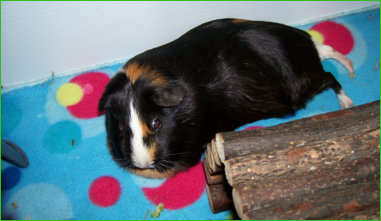
Fleece is a preferred choice over other conventional bedding as it has the ability to wick away urine
keeping the top clean and dry. The urine is then absorbed by
another bedding beneath. It must be used in conjunction with another absorbent bedding such as
newspaper or towels. It comes in a variety of colours and patterns adding a decorative touch to any
cage.
Fleece Guidelines
Fleece can be purchased from fabric or manchester retailers. It can be cut via
the metre or pre packaged fleece can be purchased. Pre packaged fleece usually has size dimensions on the packaging, always purchase a size that will roughly fit
your cage, it can always be cut to size if it is not exact. Prices range from $10- $30.
When buying or using fleece always ensure it is:
100% Polyester: Fleece must be either anti- pill, polar or sherpa. The most common fleece used in cages is polar fleece. If your fleece is not polyester based it will
not wick away urine, but repel it leaving it to sit on top of your bedding.
Washed 2- 4 times before use: Fleece should be washed as it breaks down the water barer that is in place when it is brand new. By breaking it down you are
enabling the fleece to do its job: Wick away moisture. If you do not wash it, even polar fleece may have a tendency to repel the urine leaving it to sit on top instead
of wicking it away.
Wash your fleece at least 2-3 times and leave to dry and then wash again. Wash in warm water with regular detergent. Do not use fabric softeners or similar
products when either washing or drying as this will put the water barer back into effect.
Use under bedding: If you do not have an effective and absorbent under bedding your fleece may not work effectively. Having a good fleece to under bedding
relationship is essential to ensure the fleece will do its job. Towels and newspaper are both very popular under bedding's.
The most effective under bedding solution is a combination. Newspaper, towel and then fleece. Newspaper may stick to your fleece if used alone, and does not
absorb urine as well as towelling.
Daily Spot Clean To ensure your fleece lasts longer between washes a daily spot clean will not only provide this but reduce odours.
Use 1-2 layers: Fleece should be preferably 1-2 layers of fleece with 1-2 layers of towel.
Fleece myths and common questions
Guinea pigs can consume the fleece or overheat if they become stuck underneath
All bedding's pose a potential risk to your cavy. Wood based bedding's for example may contain aromatic oils which can cause respiratory distress. Loose strings
may cause your cavies feet to be caught or they may chew on these but as a responsible owner you should examine your fleece and ensure this is not the case.
Fleece is not like cotton based blankets or bedding. it generally will not fray so loose threads do not pose a great risk to your guinea pig. Sewing on some velcro
strips and adhere it the the sides of the cage will prevent them tunnelling underneath. Bricks or binder clips may also be used.
It will not wick away urine, what am I doing wrong?
Firstly you must ensure that your have washed the fleece prior to first use and do not use any fabric softeners or similar products when washing. It also must be
100% polyester. Use the correct under bedding, perhaps add towelling underneath instead of newspaper for example. Make sure you are also using the correct
amount of layers of fleece. You may have too many or too little.
Fleece can smell quite quickly after a few days
This is one of the most common misconceptions regarding fleece. If your fleece smells you have either a) not washed it prior to first use or B ) are not using the
correct under bedding.
If you wash your fleece and ensure you are using the correct under bedding e.g. 1-2 layers of fleece used in conjunction with 1-2 layers of towel, fleece will not
smell. It is usually the under bedding which smells and not the actual fleece. Newspaper for example can smell quite quickly within a few days, this is why
towelling is preferred or should be used in conjunction with newspaper.
If you did not wash the fleece correctly prior to first use the water barer could still be in place. Wash the fleece a few more times to ensure it has dissipated.
If used correctly fleece will not smell. Always ensure you do a full cage clean once a week regardless of which bedding you are using.
Hay is constantly sticking to my fleece, how can I prevent this?
Hay racks, hay litter trays, hay lofts and under trays are all effective in preventing hay becoming caught within the fleece. Hay racks keep the hay off the floor and if
a tray lined with newspaper or Breeders Choice is placed underneath (one can easily be made out of corflute) this will further reduce the risk of hay becoming
attached to the bedding.
Hay lofts also provide owners with the ability to use another bedding different to fleece around the hay area, whilst the rest of the cage is lined with fleece. Hay
lofts are generally a designated second level connected to the bottom level with a ramp.
Corflute hay boxes are also a good idea as mentioned previously. Simply take a small sheet of corflute, mark out your side length. Score, cut and fold. Then simply
cut out a small opening for access and the hay will keep relatively contained.
Fleece can clog up the washing machine when cleaned
Fleece should be vacuumed, shaken, brushed and then beaten before placing in the washing machine. This alone will remove any hair, hay and debris. Performing
a rinse and spin cycle after the fleece has been washed may help aid in cleaning out the washing machine if you are very concerned.
Some owners hand wash their fleece as an alternative.
HOME
ABOUT US
CONTACT US
MEDIA
BOARDING


